Book a visit

Liposuction and abdominoplasty are two distinct procedures aimed at enhancing the abdominal appearance. Liposuction targets the removal of fat deposits, focusing on excess fat elimination. Abdominoplasty involves excising surplus skin and tightening muscles to create a firmer abdomen, while also correcting the shape and tone of the abdominal muscles.
Both procedures contribute to achieving a flatter and more contoured abdomen.
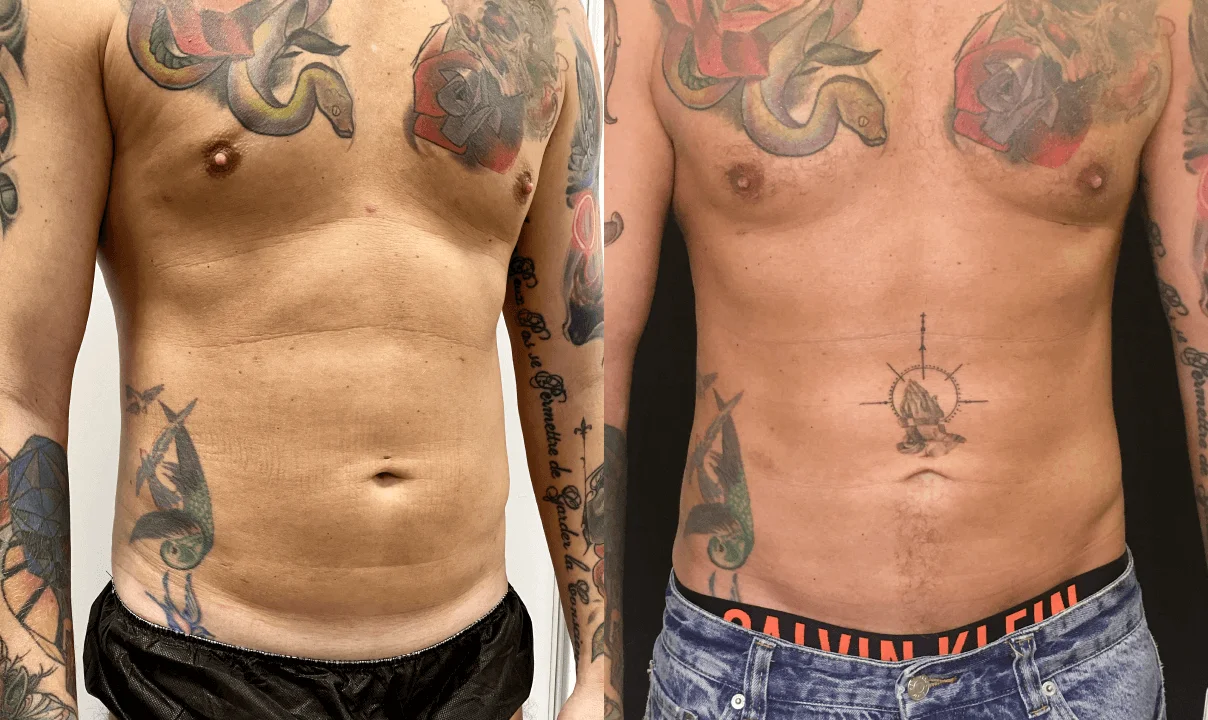
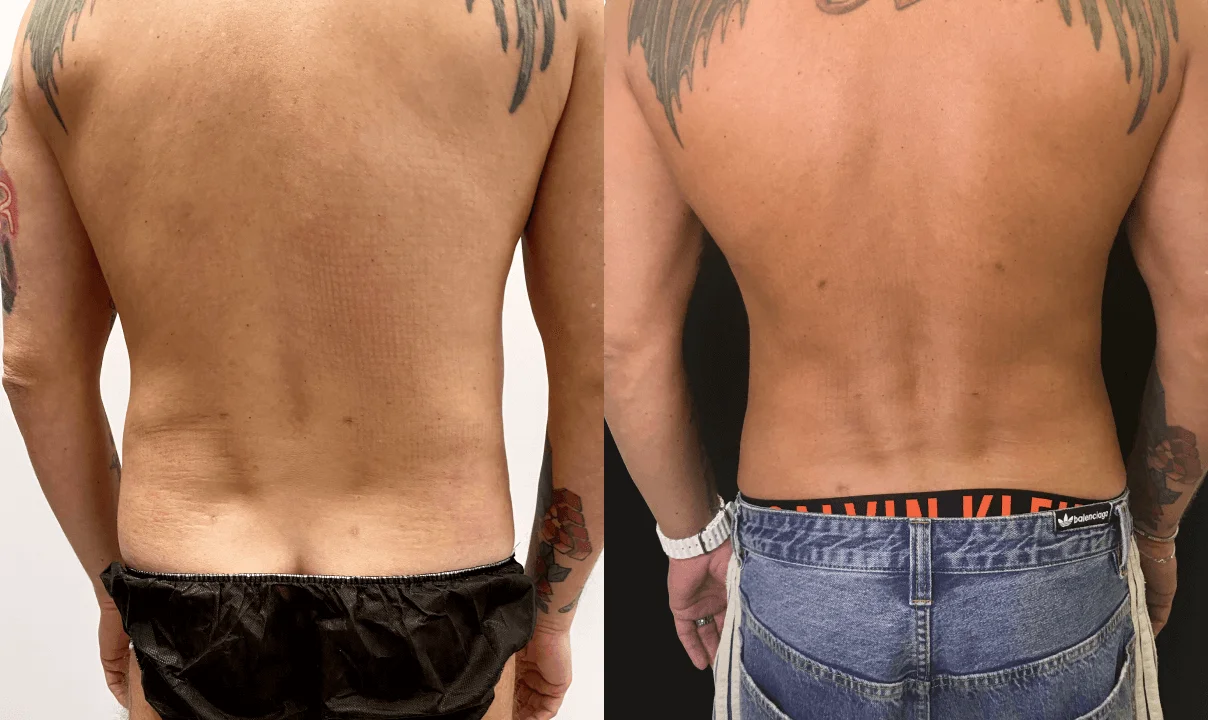
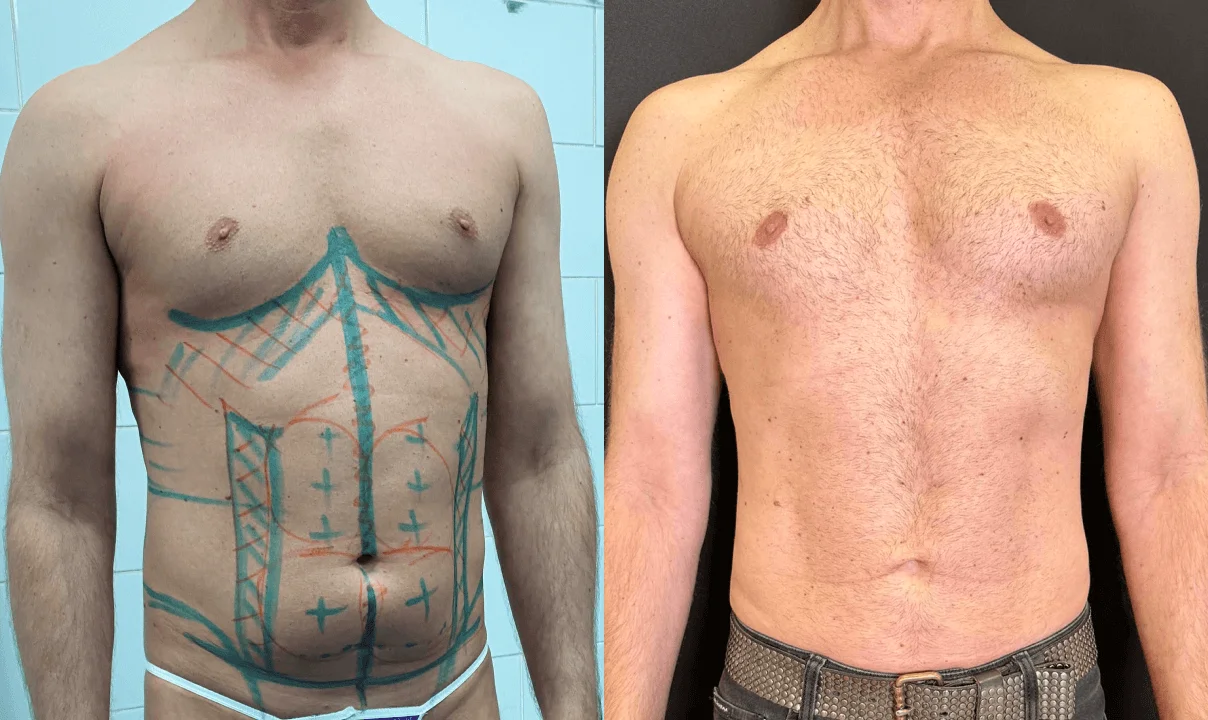
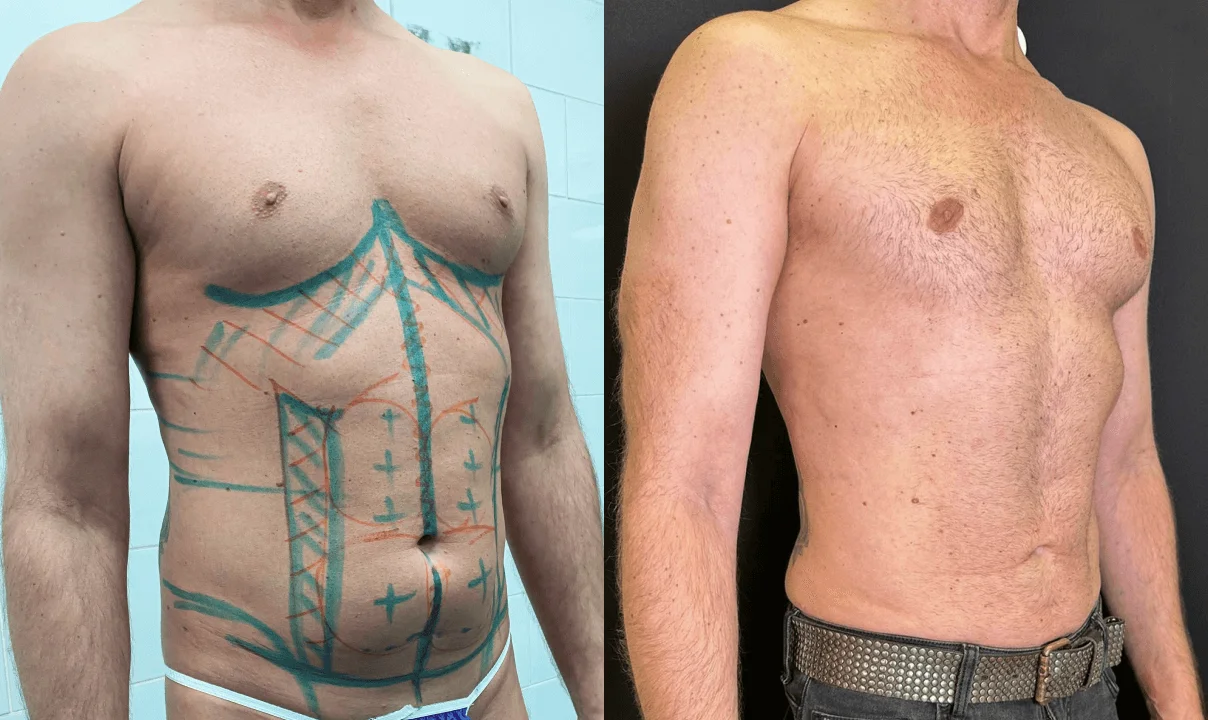
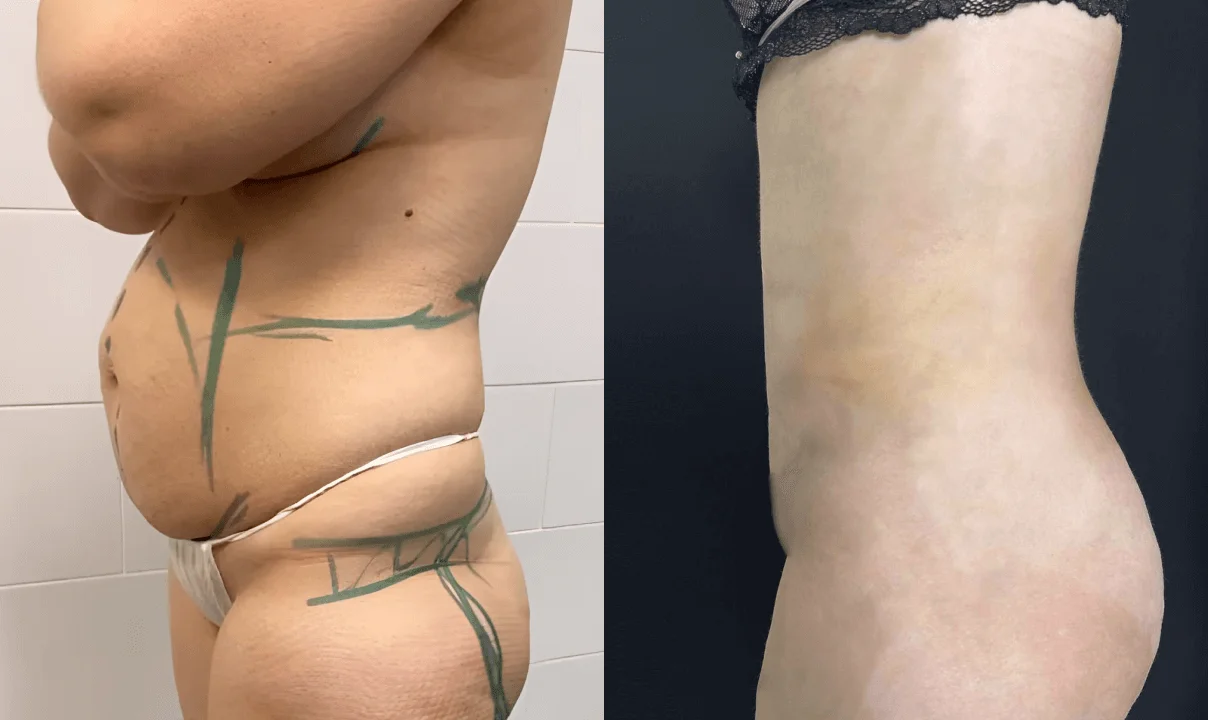
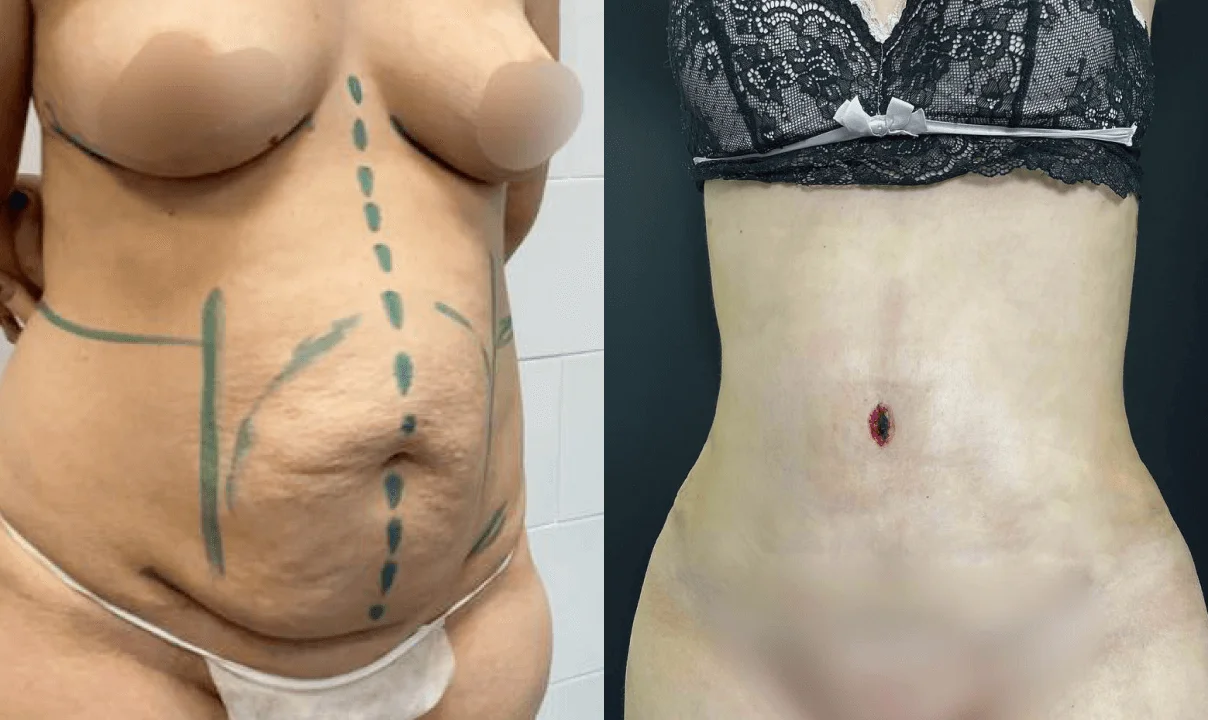
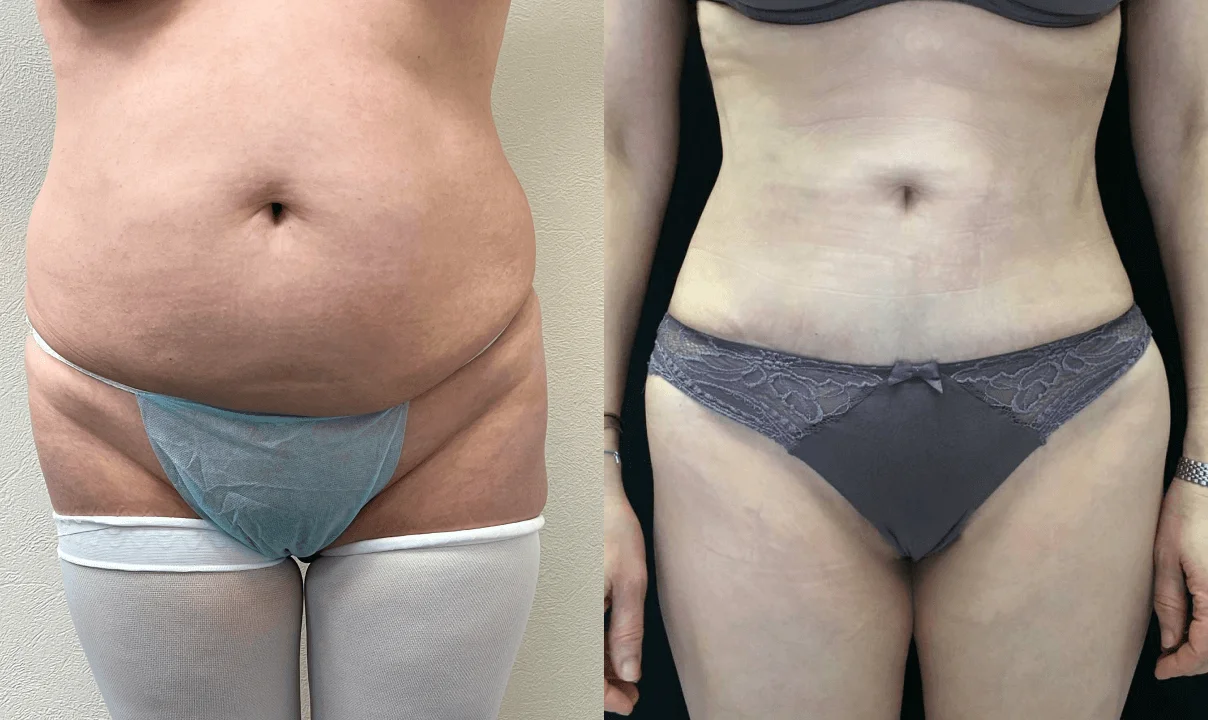
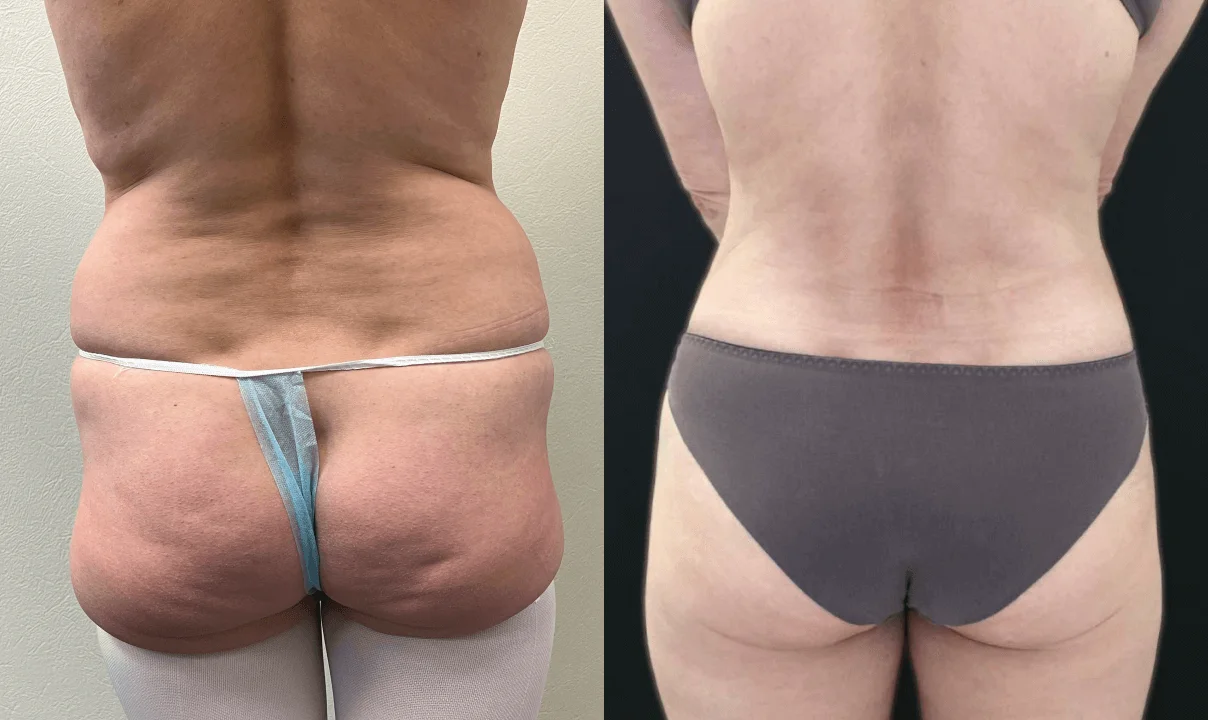
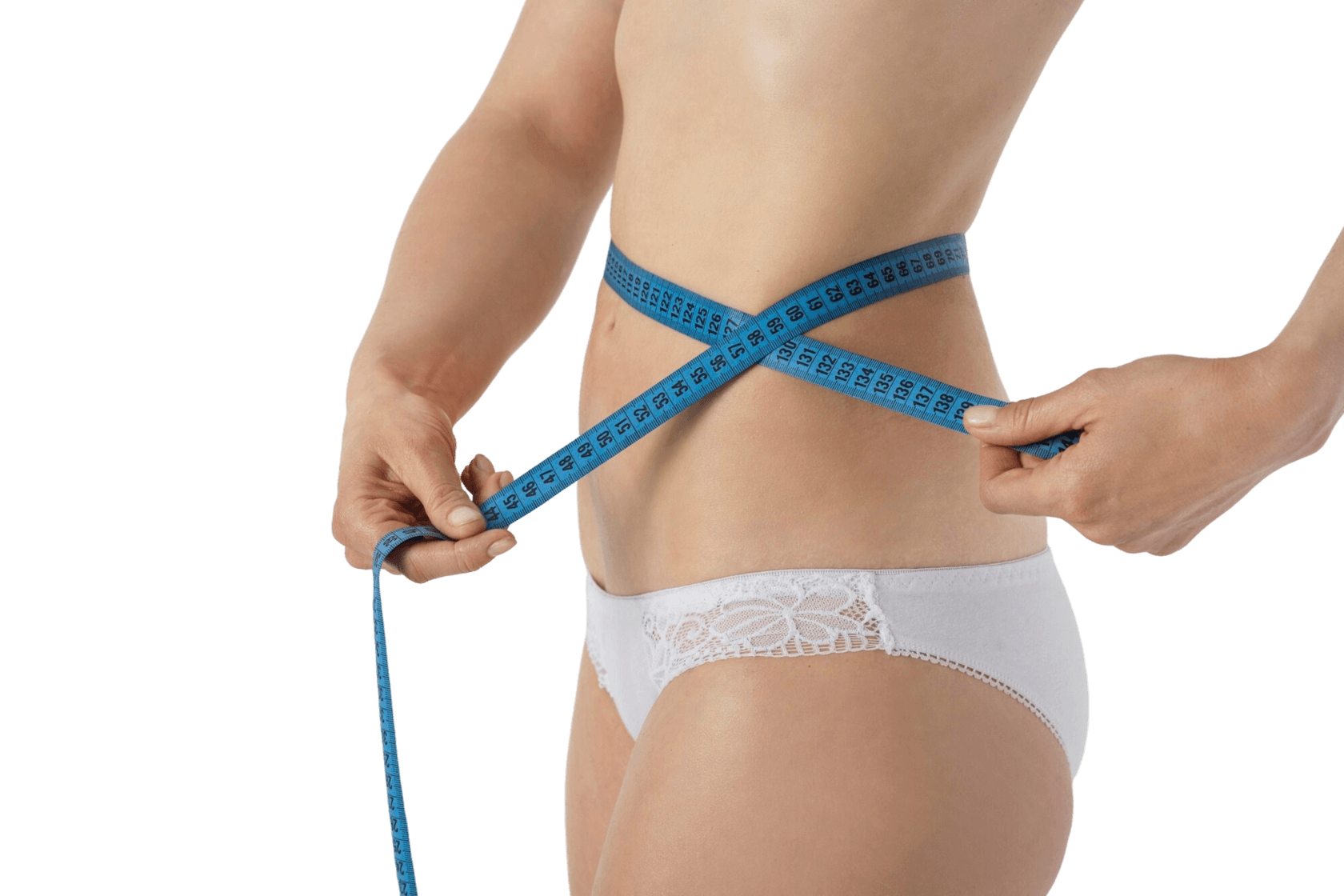
The liposuction procedure is designed to remove adipose tissue and sculpt appealing body contours. Advanced liposculpture techniques are utilized, considering the patient's unique anatomical features to produce a balanced aesthetic.
State-of-the-art instruments and equipment are employed during the procedure, facilitating optimal proportions in the waist, hips, and a flat abdomen with defined abdominal muscles. The surgery is performed under spinal anesthesia or general anesthesia. Long-term results are maintained with adherence to a stable diet and hormonal balance.
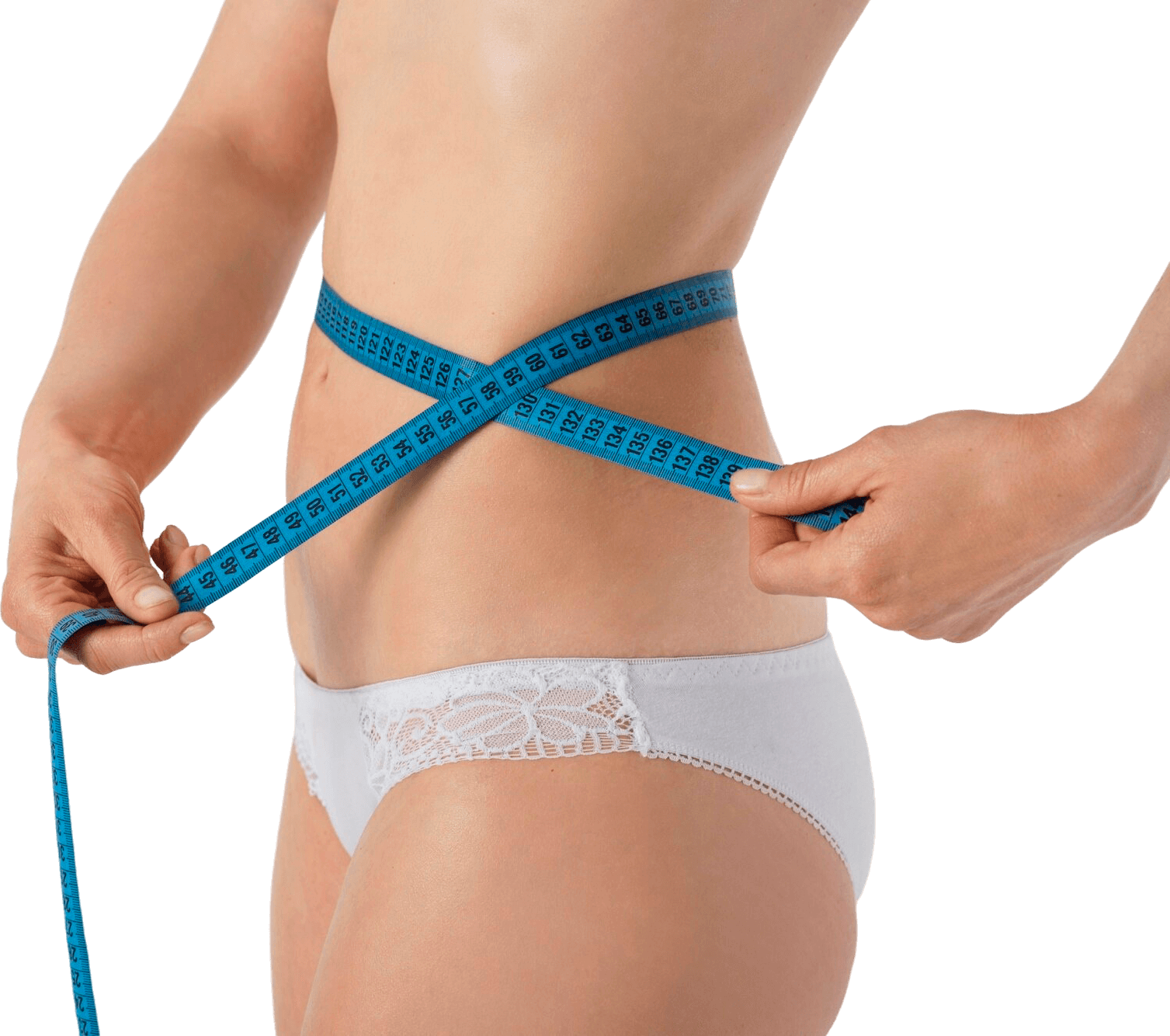
Fat cells are gently dislodged and removed without destruction or burning, using a pressurized solution that is aspirated along with the adipose tissue. This approach preserves viable fat cells, which can subsequently be utilized for wrinkle filling, tissue defect correction, or volume enhancement in the breasts and buttocks. The procedure is minimally invasive, reducing swelling and accelerating recovery. It enables simultaneous treatment of multiple body areas, delivering rapid and visible outcomes.
Laser-assisted liposuction is an advanced body contouring technique that employs laser energy to disrupt fat cells. A slender laser probe is inserted through micro-incisions into areas with excess fat deposits.
The laser liquefies the fat cells, converting their contents into an emulsion that is either aspirated or naturally eliminated by the body. This method not only reduces volume effectively but also stimulates collagen and elastin production, enhancing skin firmness and texture. Due to its minimally invasive nature and limited micro-incisions, laser-assisted liposuction typically involves quicker recovery and lower complication risks compared to traditional surgical approaches.
Tumescent liposuction is a sophisticated method for removing fat deposits, utilizing a tumescent fluid containing an anesthetic and vasoconstrictor. This technique minimizes blood loss and tissue trauma, allowing precise body contouring. Patients often experience reduced discomfort and faster recovery following the procedure.
Vacuum-assisted liposuction is an effective approach to eliminating fat deposits, where a thin cannula is used to aspirate fat through small skin incisions. The procedure employs specialized vacuum equipment, which limits trauma to surrounding tissues and supports swift recovery. Vacuum-assisted liposuction yields smooth and refined body contours, improving aesthetic results without significant scarring or skin irregularities. The choice of method is determined by the patient's individual characteristics and objectives.
Non-surgical liposuction encompasses device-based techniques for fat removal, relying on lipolysis—the breakdown of fat cells into an emulsion. This process facilitates the elimination of fat through the lymphatic and circulatory systems, minimizing strain on excretory organs. Optimal results are generally achieved after 2 to 3 sessions. Non-surgical liposuction is well-suited for individuals contraindicated for surgical interventions due to medical or personal reasons.
Liposculpture, also known as lipofilling or fat grafting, is a body modeling technique focused on refining contours and achieving desired athletic proportions. The procedure occurs in two stages: excess fat is first extracted from areas such as the back, thighs, abdomen, and flanks; the purified fat is then transplanted to other regions, including the abdomen, chest, or buttocks, to enhance shape and definition. Liposculpture adjusts body proportions, resulting in a more balanced, toned, and slender appearance.
Lipomodeling involves liposuction to remove excess adipose tissue from one body area, followed by lipofilling to inject purified fat into regions requiring volume augmentation or correction. The primary goal extends beyond fat elimination to creating harmonious body contours. Combining liposuction, abdominoplasty, and lipofilling produces outcomes that impart a fit and toned silhouette. Lipomodeling also accentuates underlying musculature, providing an additional benefit.
Lipofilling is a technique for transplanting autologous fat to refine body contours. The process entails harvesting fat from donor sites—such as the abdomen or thighs—via small incisions, followed by injection into target areas. Transplanted fat cells integrate with surrounding tissues, yielding natural and enduring results. Approximately 20 to 30 percent of the grafted volume may resorb within several months, occasionally necessitating a follow-up procedure for optimal refinement.
Blepharoplasty
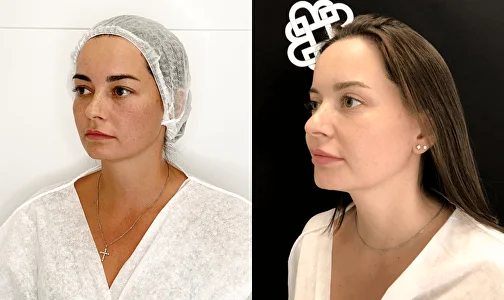
August 12, 2022
I have been a patient at Banige Beauty since its opening, undergoing facial treatments — injectables, peels and device-based procedures. I had heard many positive reviews about Dr. Oleg Nikolaevich, but I was personally convinced: he is a genius. I also recommended him to a friend in the United States who has consulted numerous plastic surgeons both here and abroad. I have never encountered a more delicate surgeon with such “golden hands” — he enhances beauty without altering the person.Liposuction & Abdominoplasty
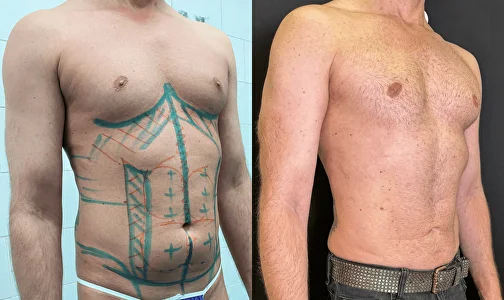
March 02, 2023
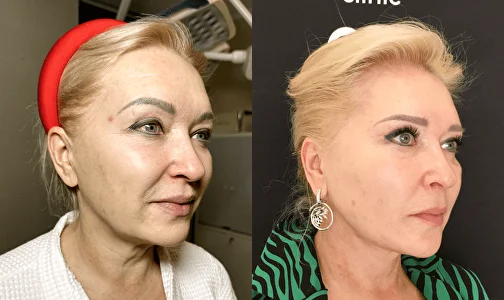
The operation was successful and the results exceeded all my expectations. The incisions healed quickly, and my body now looks much improved. My muscles tightened and the abdominal bulge is gone. I am very satisfied with the clinic and the surgeon. I recommend them to anyone with abdominal concerns.Hollywood Lower Face Lift
February 17th, 2023
After a consultation with Dr. Oleg Banige, I chose this clinic for my surgery. I am very pleased with the result: the procedure went smoothly without complications, and recovery is proceeding as planned. The surgeon’s assistants are always available and responsive at any time.
SMAS lifting
Watch testimonial
Blepharoplasty and platysmoplasty
Watch testimonial
Liposuction, blepharoplasty, lifting threads
Watch testimonial
Filaments and blepharoplasty
Watch testimonial
Liposuction, breast, filaments
Watch testimonial
Blepharoplasty
Watch testimonial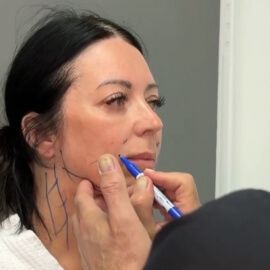
Hollywood Oval
Watch testimonialProvide us with your contact details, and we will immediately send you information on how to avoid consulting unqualified surgeons.

Liposuction is commonly conducted under general anesthesia, particularly for larger volumes. However, for smaller areas, such as the abdomen, local anesthesia with sedation may be utilized.
Liposuction is recommended for individuals:
• With localized fat deposits resistant to diet and exercise.
• With a normal BMI (Body Mass Index).
• Without significant chronic conditions.
• With elastic skin for optimal recovery.
Fat cells (adipocytes) do not regenerate after removal, but remaining cells may increase in size. In the event of weight gain, fat may accumulate in other body areas.
• Maintain a stable weight.
• Follow a balanced diet.
• Engage in regular physical activity.
• Avoid sudden weight fluctuations.
• Reduction in volume in the targeted area.
• Improved body contours.
• Visible effects within 1 to 3 months, once swelling subsides.
• Pain: Moderate, managed with analgesics.
• Duration: 2 to 4 weeks for return to light activities; full recovery up to 6 months.
• Swelling and bruising persist for 2 to 3 weeks.
Advantages:
• Correction of abdominal "spare tire."
• Minimal scarring (incisions of 3 to 5 mm).
Disadvantages:
• Risk of skin irregularities.
• Does not address skin sagging if elasticity is poor.
It is recommended starting from 18 years of age, with the optimal range after 25 to 30 years, when body development is complete. For minors, parental consent and strict medical indications are required.
When performed with proper technique by an experienced surgeon, risks are minimal. Possible complications, such as infections, bleeding, or asymmetry, occur rarely.
• Obesity (BMI greater than 30).
• Pregnancy or lactation.
• Diabetes, heart disease, or blood clotting disorders.
• Skin inflammation in the operative area.
Pain levels depend on the anesthesia method. Postoperative discomfort can be alleviated with pain relief medications.
• Undergo blood tests, coagulation studies, and ECG.
• Avoid alcohol, smoking, and blood-thinning medications for 2 weeks prior.
• Stabilize weight 1 to 2 months before the procedure.
• General anesthesia for larger volumes.
• Tumescent anesthesia (local with adrenaline solution) for smaller areas.
• Small incisions (3 to 5 mm) are made.
• A cannula is inserted to break down fat using ultrasound, laser, or mechanical methods.
• Fat is aspirated with a vacuum device.
From 1 to 4 hours, depending on the volume and method.
• Physical exercise for 3 to 4 weeks.
• Sauna or pool visits for 1 month.
• Tight clothing (except compression garments).
• Smoking and alcohol for 2 to 3 weeks.
• Swelling and hematomas.
• Temporary loss of skin sensation.
• Rarely: seromas, fibrosis, or infection.
From 4 to 8 weeks, gradually reducing wear time. The garment aids in skin contraction and reduces swelling risk.
Incisions heal with minimal visibility. Scars are noticeable only upon close inspection.
For life, if you maintain a stable weight. As you gain weight, fat is distributed evenly, but the problem area remains less prone to accumulation.
Not in the treated area. However, with weight gain, fat may deposit in other regions, such as the thighs, back, or arms.
• Gastric resection treats obesity by reducing appetite.
• Liposuction corrects localized fat deposits. These are distinct procedures with different objectives.
• Liposuction removes fat but does not tighten skin.
• Abdominoplasty excises excess skin and fat while tightening muscles. Selection depends on skin and muscle condition.
Yes, but pregnancy should be planned 6 to 12 months post-procedure. Childbirth does not affect results, though further correction may be needed afterward.
Up to 5 to 7 liters of fat may be removed per session (1 liter ≈ 0.9 kg). However, liposuction is not a weight loss method but a contouring technique.
• In cases of obesity.
• During pregnancy.
• With exacerbation of chronic illnesses.
• If skin lacks elasticity (abdominoplasty may be required).
Yes, for smaller volumes, tumescent anesthesia is used. The patient remains conscious but experiences no pain.
Within 1 to 3 months after swelling resolves and tissues heal. Final outcomes are assessed after 6 months.
• Skin contour irregularities.
• Pigmentation or scarring.
• Thrombosis or embolism (extremely rare).
• Allergic reaction to anesthesia.